
Tequila: From Blue Agave Origins to a Premium Force in the U.S. Market
Tequila starts in the land before it ever reaches the glass
There is a reason tequila keeps its gravity. Before it became a cocktail staple, a backbar trophy, or a status pour in the United States, it was rooted in a protected Mexican landscape shaped by blue agave, volcanic soils, and generations of agricultural and distilling knowledge. For buyers, collectors, and curious drinkers, tequila is strongest when it is understood not only as a category, but as a place.
At Bleu Wine & Spirits, that matters. A great tequila program should do more than stack recognizable labels. It should help customers understand why one bottle tastes bright and mineral, why another leans into caramel and oak, and why the words 100% agave still carry real weight.
What tequila is — and what it legally must be
Tequila is a protected spirit of Mexico. Its denomination of origin was formally protected in 1974, and authentic tequila must be produced in the territory defined under Mexican law. The category is tied specifically to Agave tequilana Weber blue variety — the blue agave plant that defines tequila’s raw material and identity.
That legal framework matters because it protects both the spirit and the story. It is also one reason tequila became such a trusted export category: when consumers see tequila on a label, they are buying into a regulated identity, not just a flavor profile.
Two big label distinctions every customer should know
- Tequila 100% Agave is made entirely from sugars derived from blue agave and bottled at origin.
- Tequila can include at least 51% blue agave sugars, with the balance coming from other permitted sugars.
For premium retail, that distinction is huge. Shoppers increasingly want transparency, production credibility, and cleaner category language. A knowledgeable retailer can turn that curiosity into trust.
The region behind the bottle
The cultural power of tequila is inseparable from Jalisco. UNESCO’s Agave Landscape and Ancient Industrial Facilities of Tequila describes the region as a living, working landscape of blue agave fields and historic distilleries. That recognition is not decorative; it reflects the fact that tequila is an agricultural and industrial heritage product with deep visual and cultural symbolism.
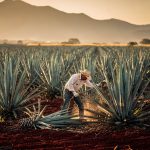
When customers imagine tequila, they are often imagining that landscape without realizing it: rows of blue agave, red soil, mountain light, jimadores cutting piñas by hand, old distilleries modernized but still connected to place. Good merchandising should lean into that emotional truth.
How tequila is made
Once mature agaves are harvested, the core process follows a disciplined sequence:
- Jima: the agave leaves are removed to reveal the piña.
- Cooking: the piñas are cooked to convert starches into fermentable sugars.
- Extraction: those sugars are pressed or milled from the cooked agave.
- Fermentation: the sweet agave juice is fermented into alcohol.
- Distillation: the liquid is distilled to create tequila.
- Maturation, if applicable: depending on the style, the tequila may rest or age in oak.
The classes are familiar, but the details are where premiumization lives: stainless steel versus masonry ovens, roller mill versus tahona, fermentation management, barrel type, aging length, filtration choices, proofing, and whether the final profile is designed for cocktails, sipping, or luxury gifting.
Why tequila became so powerful in the United States
Tequila’s U.S. rise is not random. It sits at the intersection of premiumization, mixability, cultural relevance, and a growing consumer appetite for spirits with a stronger sense of origin.
Trade data helps explain the scale. DISCUS reports that tequila volumes in the United States have grown dramatically since the early 2000s, while high-end and super-premium segments have expanded even faster. More recently, DISCUS reported tequila/mezcal supplier sales of $6.4 billion in 2025, keeping agave spirits among the biggest revenue categories in U.S. spirits. Even in a softer overall alcohol market, IWSR still points to tequila as the category expected to add the most incremental value to the U.S. spirits market by 2028, driven by premium-and-above expressions.
That tells retailers something important: the category may be more competitive, but it is still one of the clearest places where education converts into sales. Customers are no longer only buying party tequila. They are buying terroir, process, prestige, cocktail credibility, and shelf discovery.
What smart shoppers are looking for now
In the premium environment, the strongest tequila stories usually connect four things:
- Origin: where it is made, and by whom.
- Production: how the agave was cooked, fermented, distilled, and aged.
- Integrity: whether the bottle clearly communicates 100% agave status and authentic regulatory markings.
- Occasion: whether it is meant for gifting, collecting, sipping, or mixing.
That is where an independent retailer can outplay a generic shelf. The customer standing in front of twenty beautiful bottles is often not asking for more options. They are asking for a clearer reason to choose.
How Bleu can own this story
Bleu Wine & Spirits is already positioned well for tequila education because the store’s identity leans into agave, rarity, and discovery. The opportunity is to make tequila feel less like a crowded aisle and more like a curated journey. That can mean spotlighting production methods in product descriptions, organizing content by style and use case, and pairing blog education with in-store or event-based tasting moments.
In other words: tequila does not need more noise. It needs better framing. And when the framing is right, the bottle starts to sell itself.